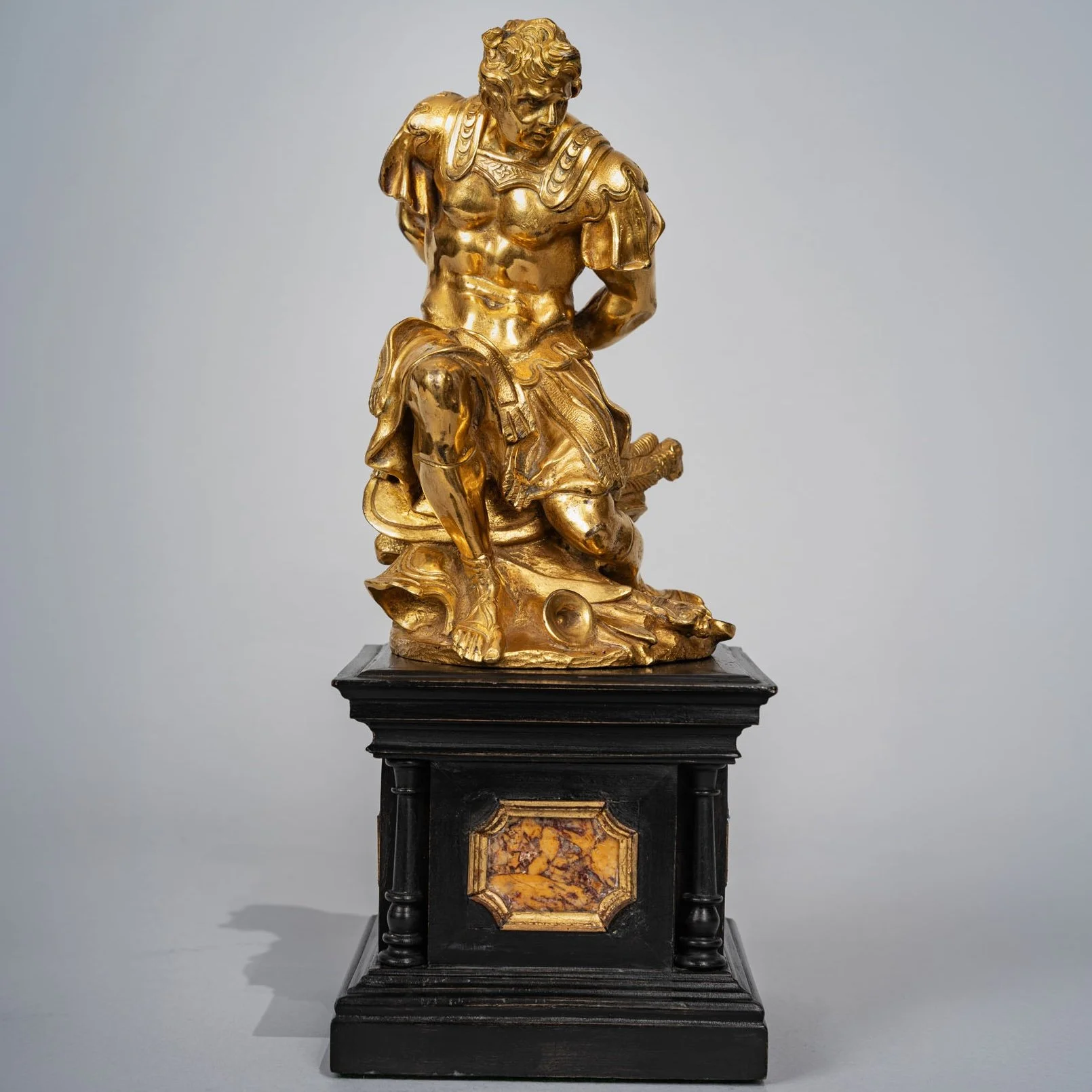
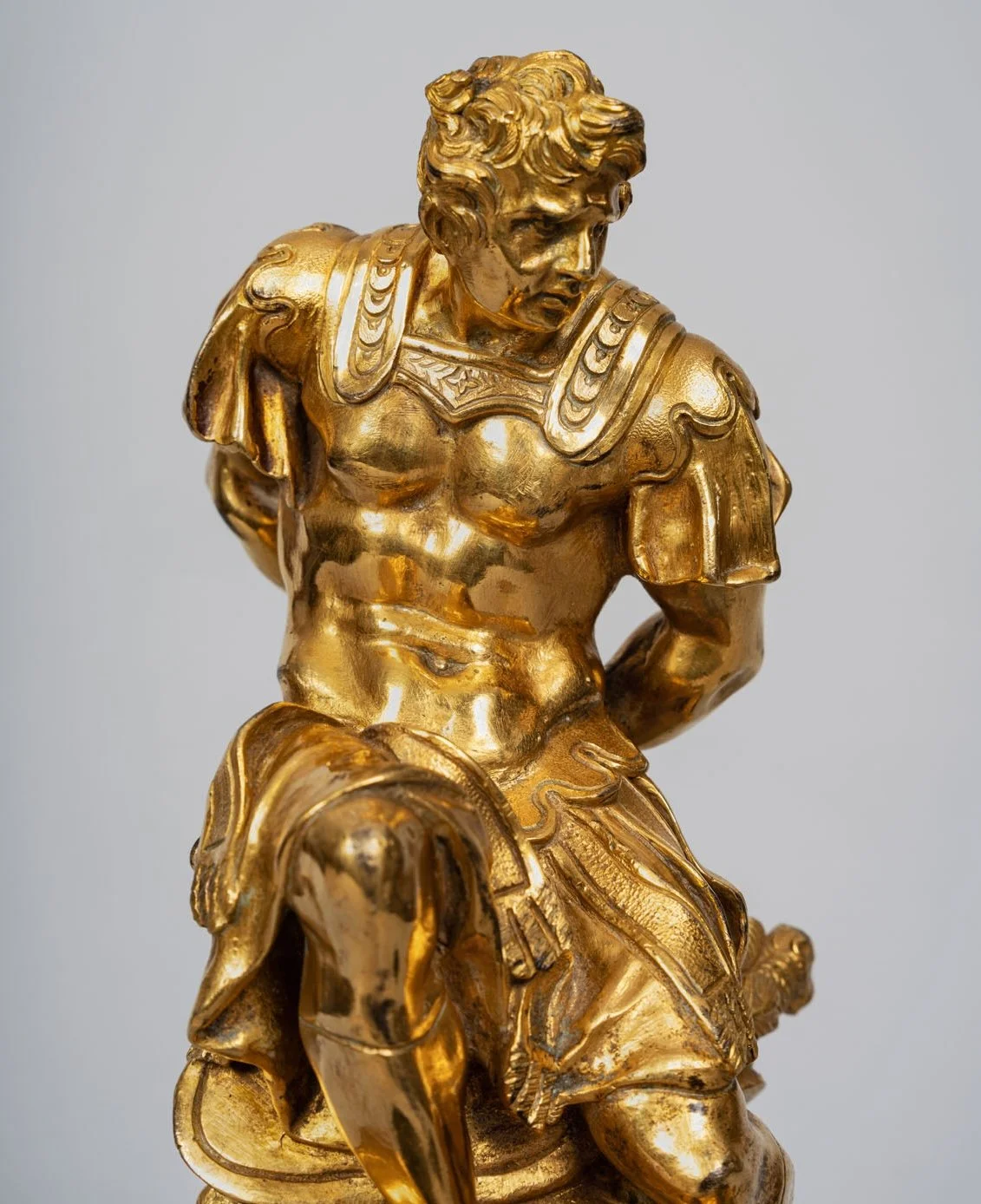
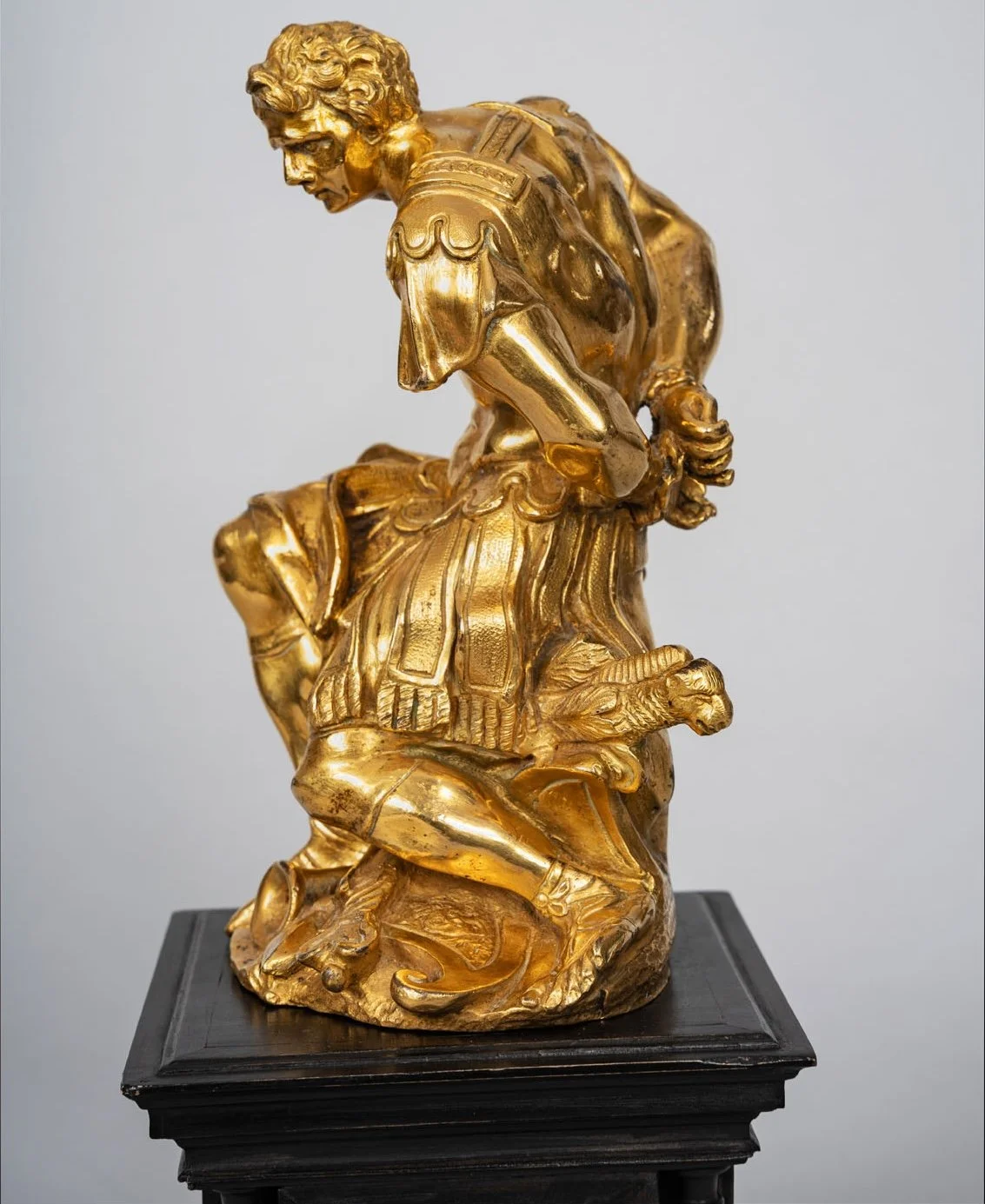
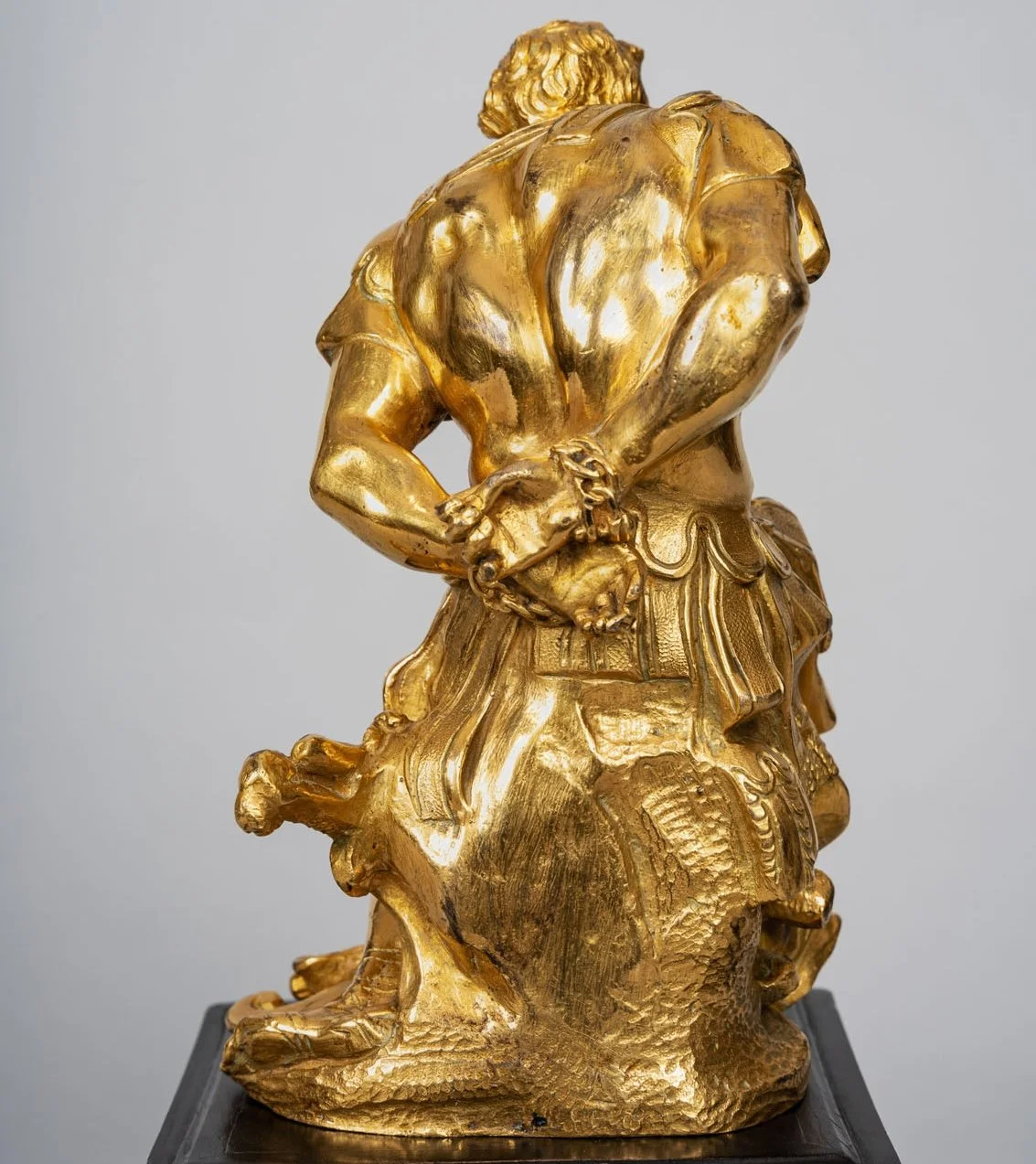
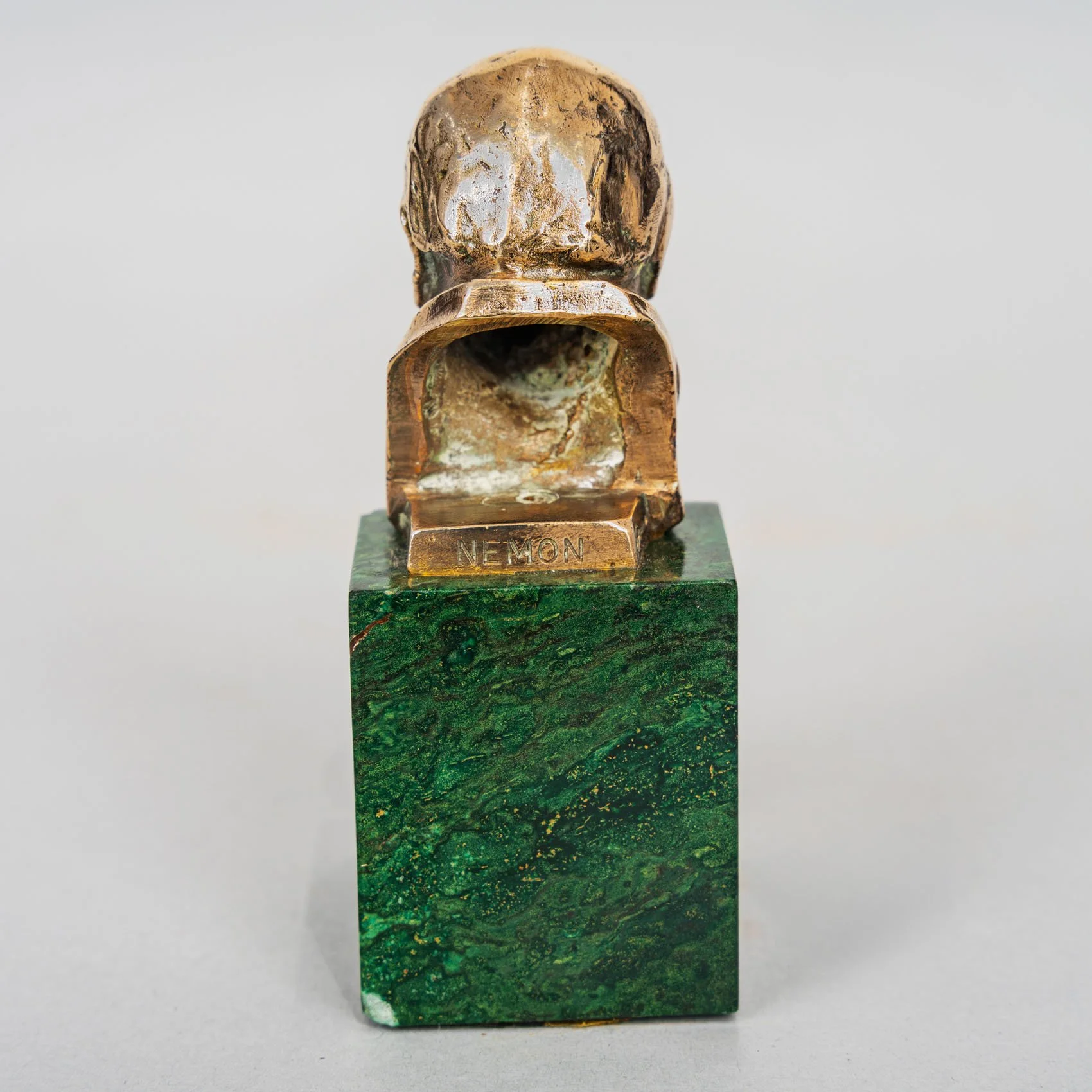
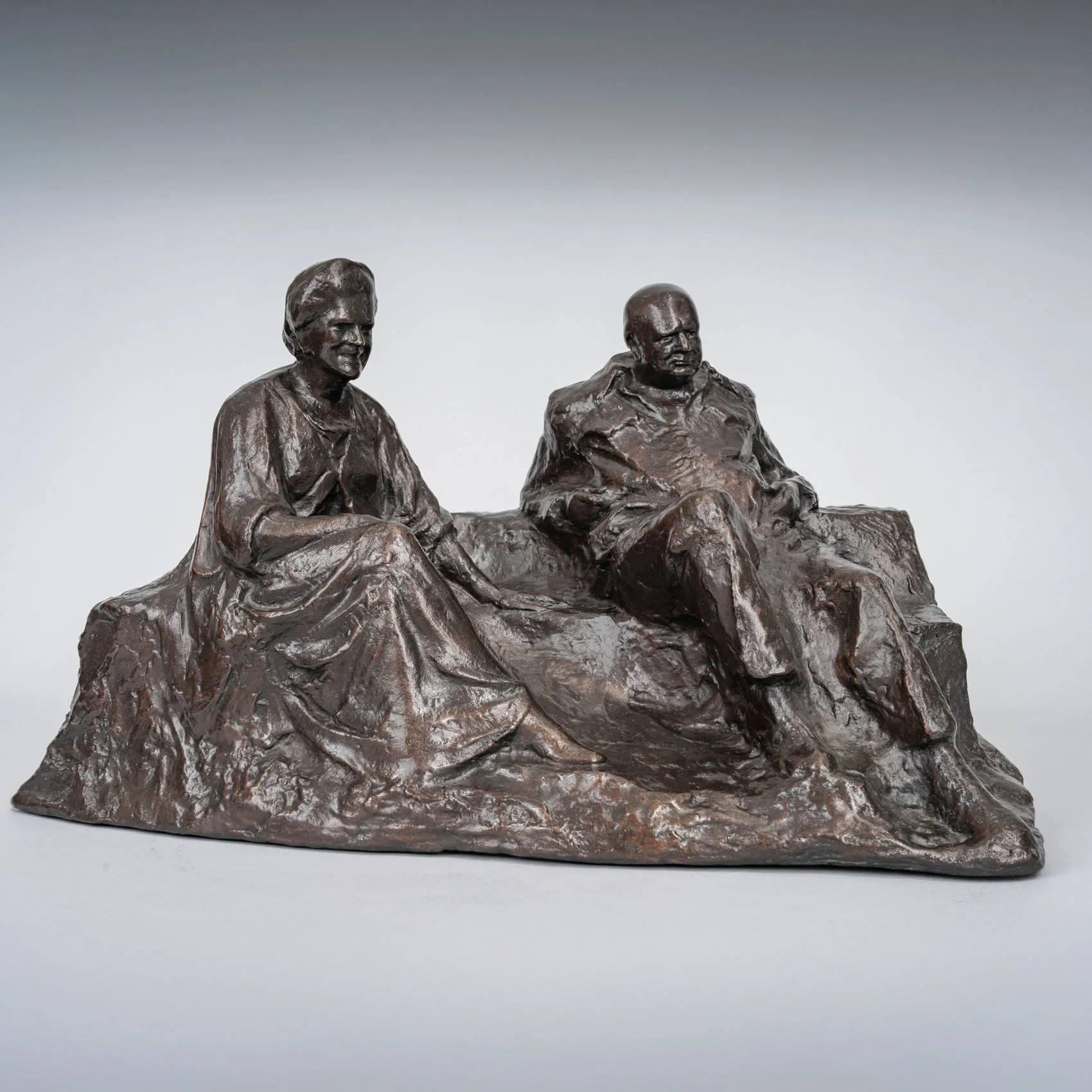
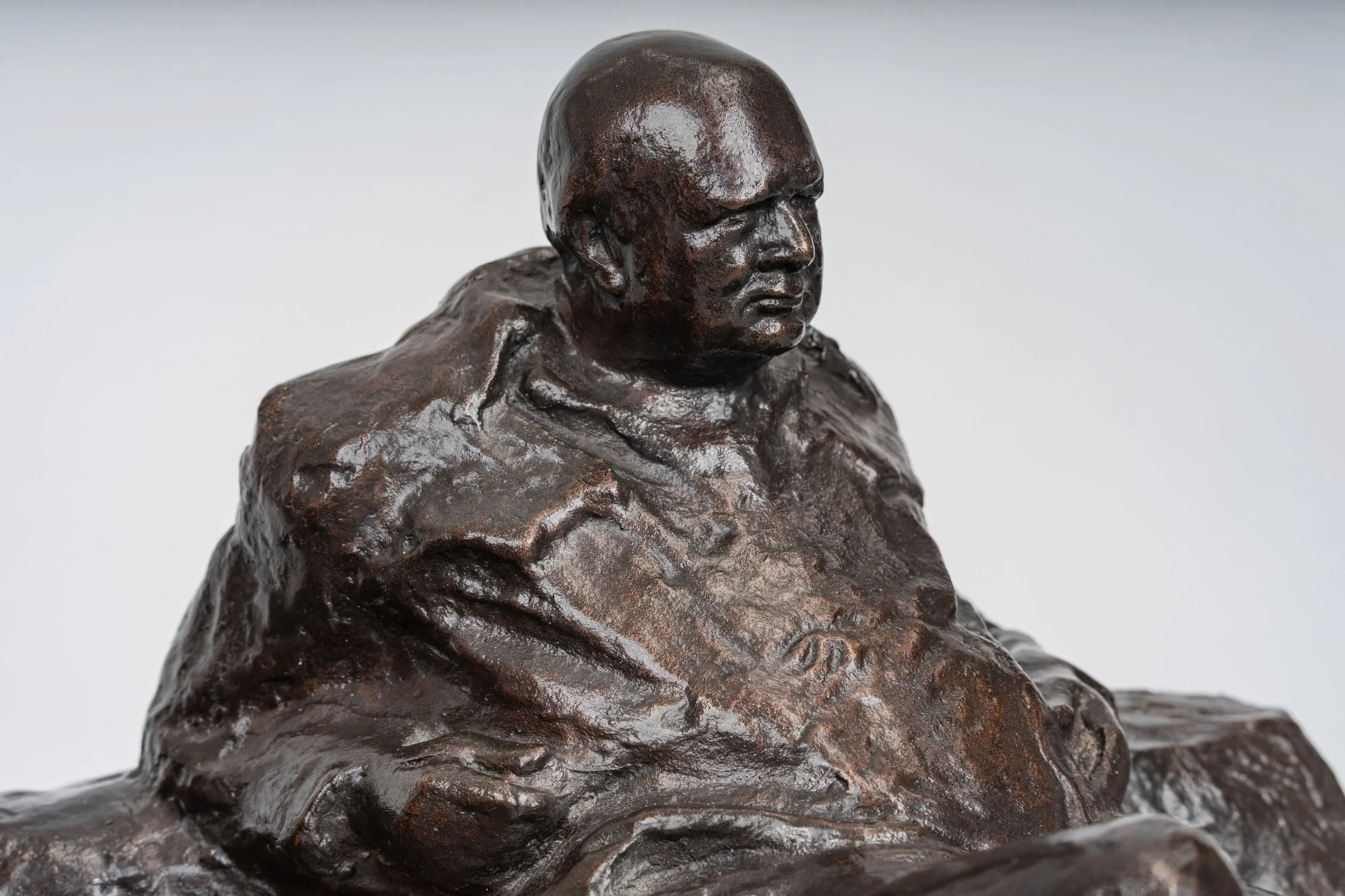
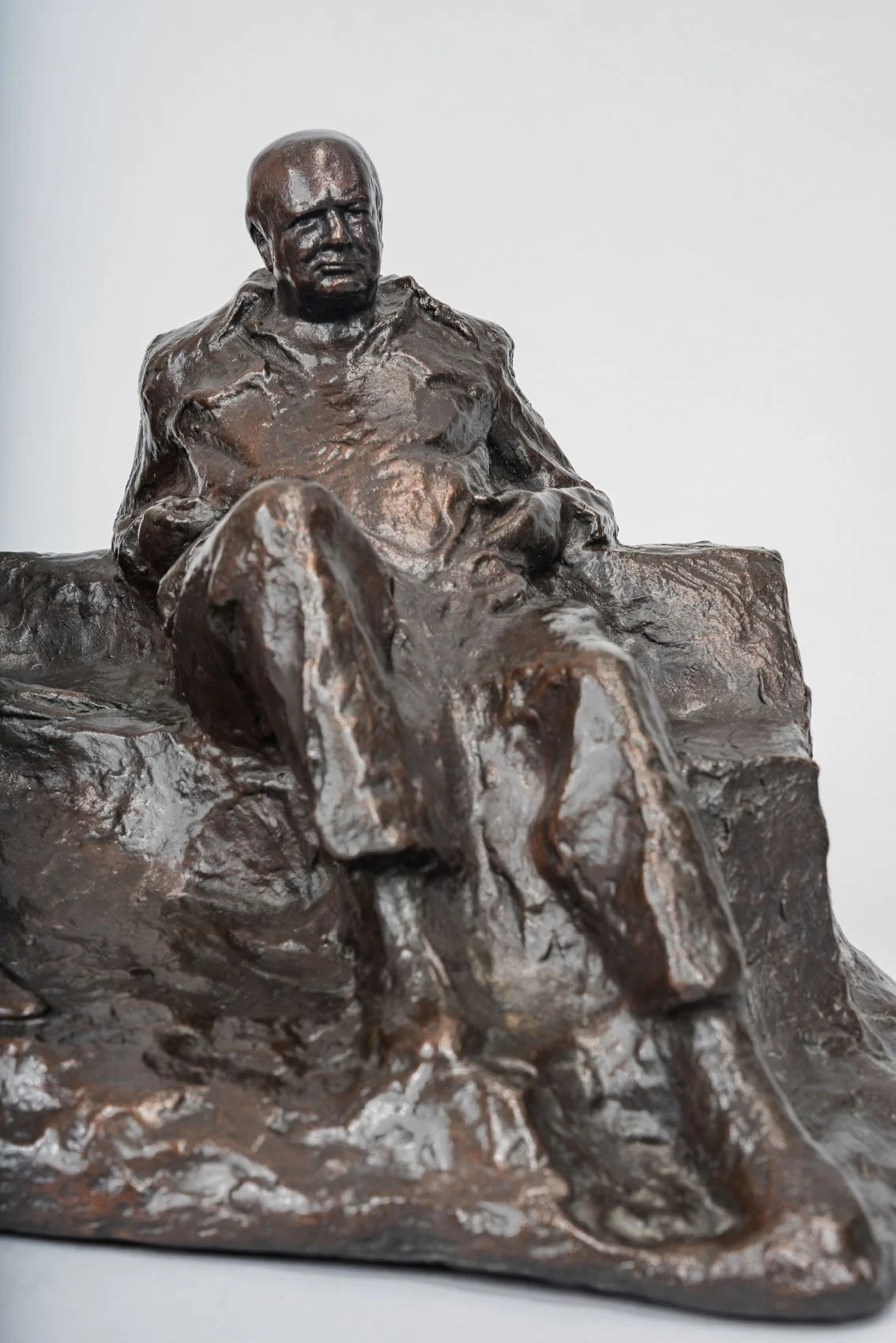
France, conceived circa 1902; cast 1969.
Auguste Rodin's Triton et Sirène presents a charged mythological encounter articulated through an intertwined and rhythmically complex composition. The figures are locked in a dynamic exchange, their bodies twisting and merging in a manner that dissolves narrative clarity in favor of sculptural tension and expressive force.
Conceived around 1902, the work belongs to a mature phase in Rodin's career when mythological subjects became vehicles for formal experimentation. Rather than adhering to classical idealization, Rodin renders Triton and the Siren with palpable physicality, emphasizing muscular strain, shifting contours, and tactile surface modeling. The composition reflects his ongoing investigation into fragmentation, movement, and the expressive autonomy of the human form.
In this sculpture, meaning emerges not through anecdotal storytelling but through the interaction of bodies in space. The figures appear simultaneously united and in conflict, embodying transformation, desire, and resistance, central themes in Rodin's late oeuvre.
The present bronze was cast in 1969 by Georges Rudier and is numbered 4. Casts by Georges Rudier are regarded for their fidelity to Rodin's original plasters and occupy a significant place within the artist's sculptural legacy.
Examples of Triton et Sirène are held in major institutional collections, including the Musée Rodin and the Cantor Arts Center, underscoring the importance of this composition within Rodin's body of work.
Height: 9¼ in (23.5 cm)
Literature
Antoinette Le Normand-Romain, The Bronzes of Rodin: Catalog of Works in the Musée Rodin, 2 vols., Paris, 2007.
Albert E. Elsen, Rodin's Art: The Rodin Collection of the Iris & B. Gerald Cantor Center for Visual Arts at Stanford University, New York, 2003.
Catherine Chevillot et al., Rodin: The Laboratory of Creation, Paris, 2014.
France, conceived circa 1902; cast 1969.
Auguste Rodin's Triton et Sirène presents a charged mythological encounter articulated through an intertwined and rhythmically complex composition. The figures are locked in a dynamic exchange, their bodies twisting and merging in a manner that dissolves narrative clarity in favor of sculptural tension and expressive force.
Conceived around 1902, the work belongs to a mature phase in Rodin's career when mythological subjects became vehicles for formal experimentation. Rather than adhering to classical idealization, Rodin renders Triton and the Siren with palpable physicality, emphasizing muscular strain, shifting contours, and tactile surface modeling. The composition reflects his ongoing investigation into fragmentation, movement, and the expressive autonomy of the human form.
In this sculpture, meaning emerges not through anecdotal storytelling but through the interaction of bodies in space. The figures appear simultaneously united and in conflict, embodying transformation, desire, and resistance, central themes in Rodin's late oeuvre.
The present bronze was cast in 1969 by Georges Rudier and is numbered 4. Casts by Georges Rudier are regarded for their fidelity to Rodin's original plasters and occupy a significant place within the artist's sculptural legacy.
Examples of Triton et Sirène are held in major institutional collections, including the Musée Rodin and the Cantor Arts Center, underscoring the importance of this composition within Rodin's body of work.
Height: 9¼ in (23.5 cm)
Literature
Antoinette Le Normand-Romain, The Bronzes of Rodin: Catalog of Works in the Musée Rodin, 2 vols., Paris, 2007.
Albert E. Elsen, Rodin's Art: The Rodin Collection of the Iris & B. Gerald Cantor Center for Visual Arts at Stanford University, New York, 2003.
Catherine Chevillot et al., Rodin: The Laboratory of Creation, Paris, 2014.

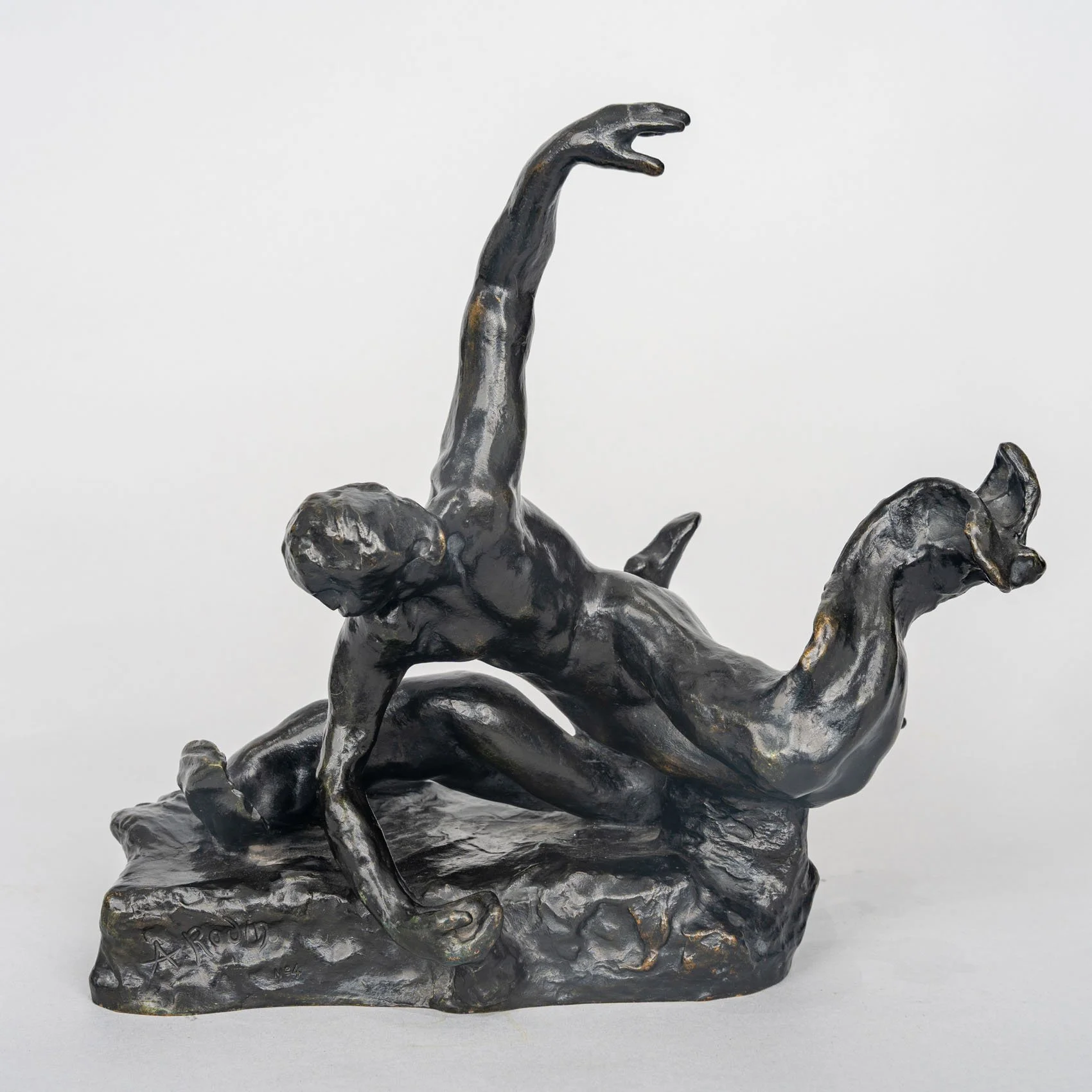 Image 1 of 5
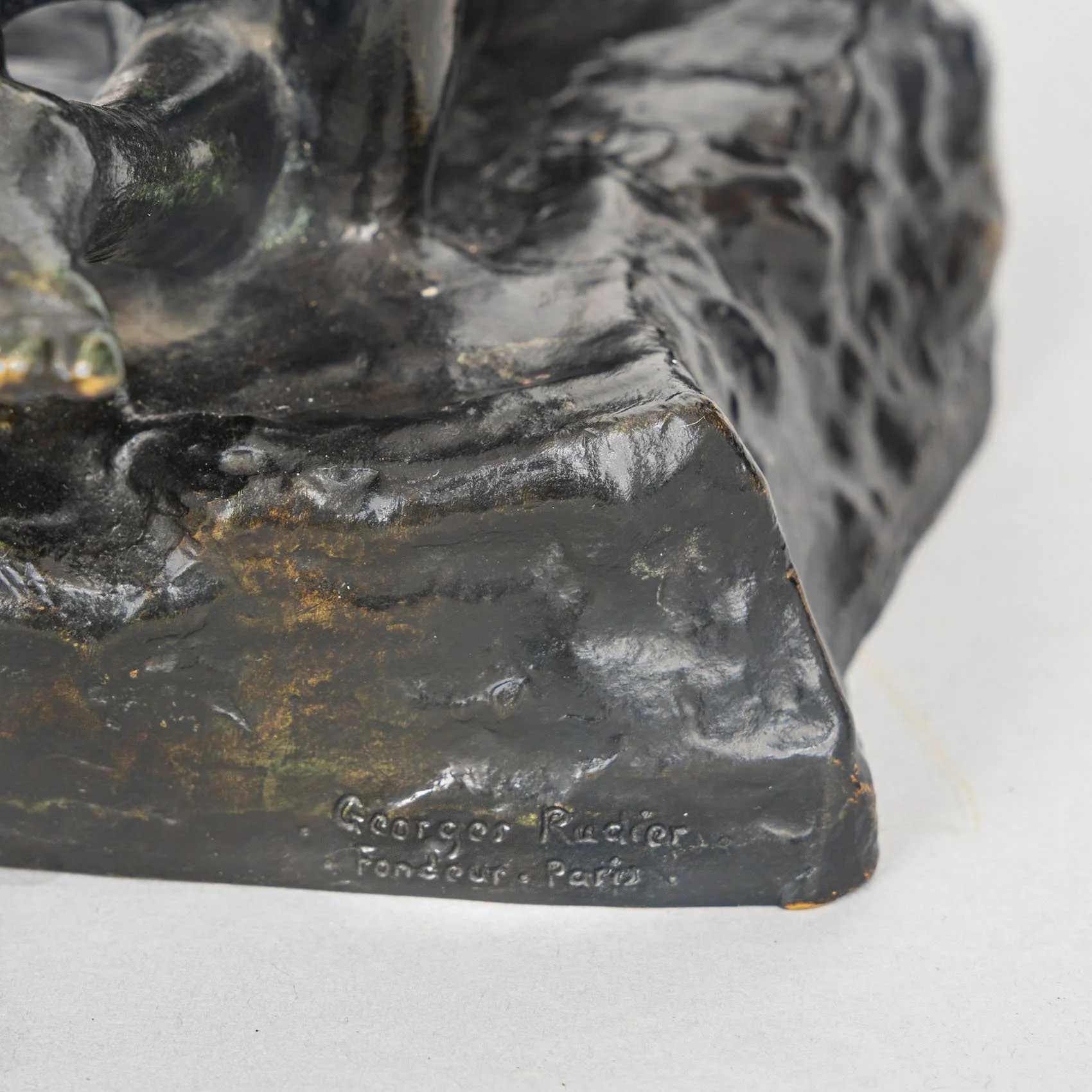 Image 2 of 5
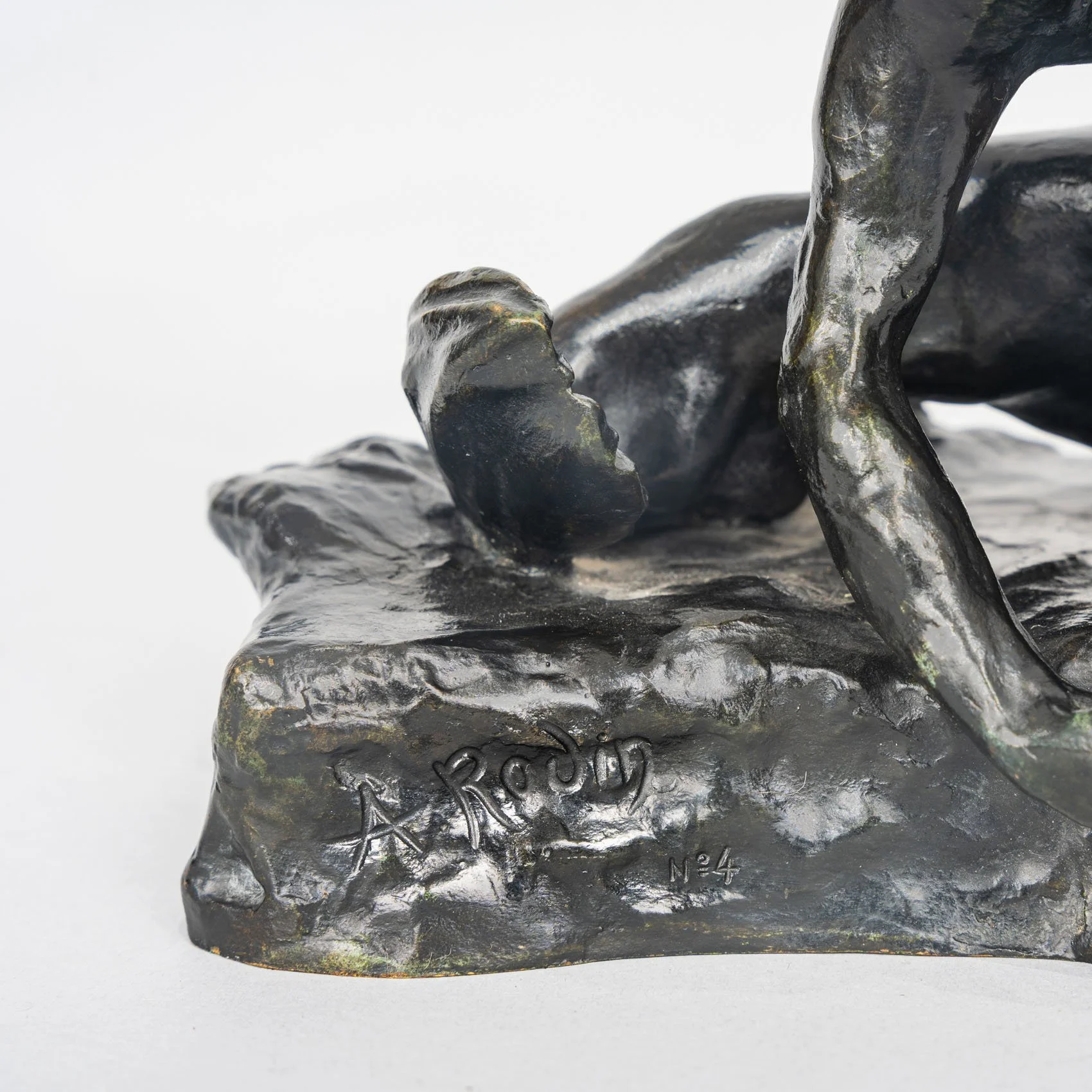 Image 3 of 5
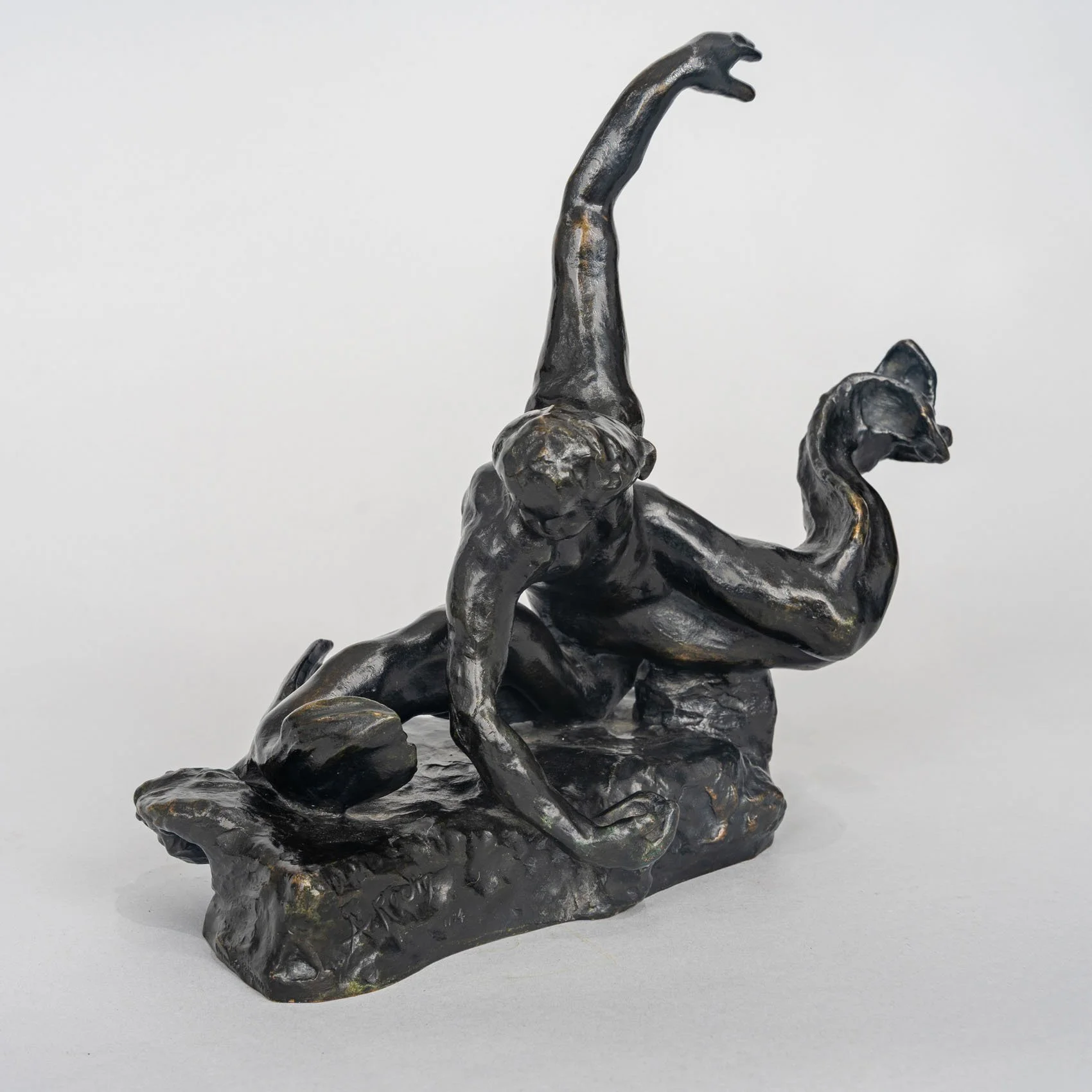 Image 4 of 5
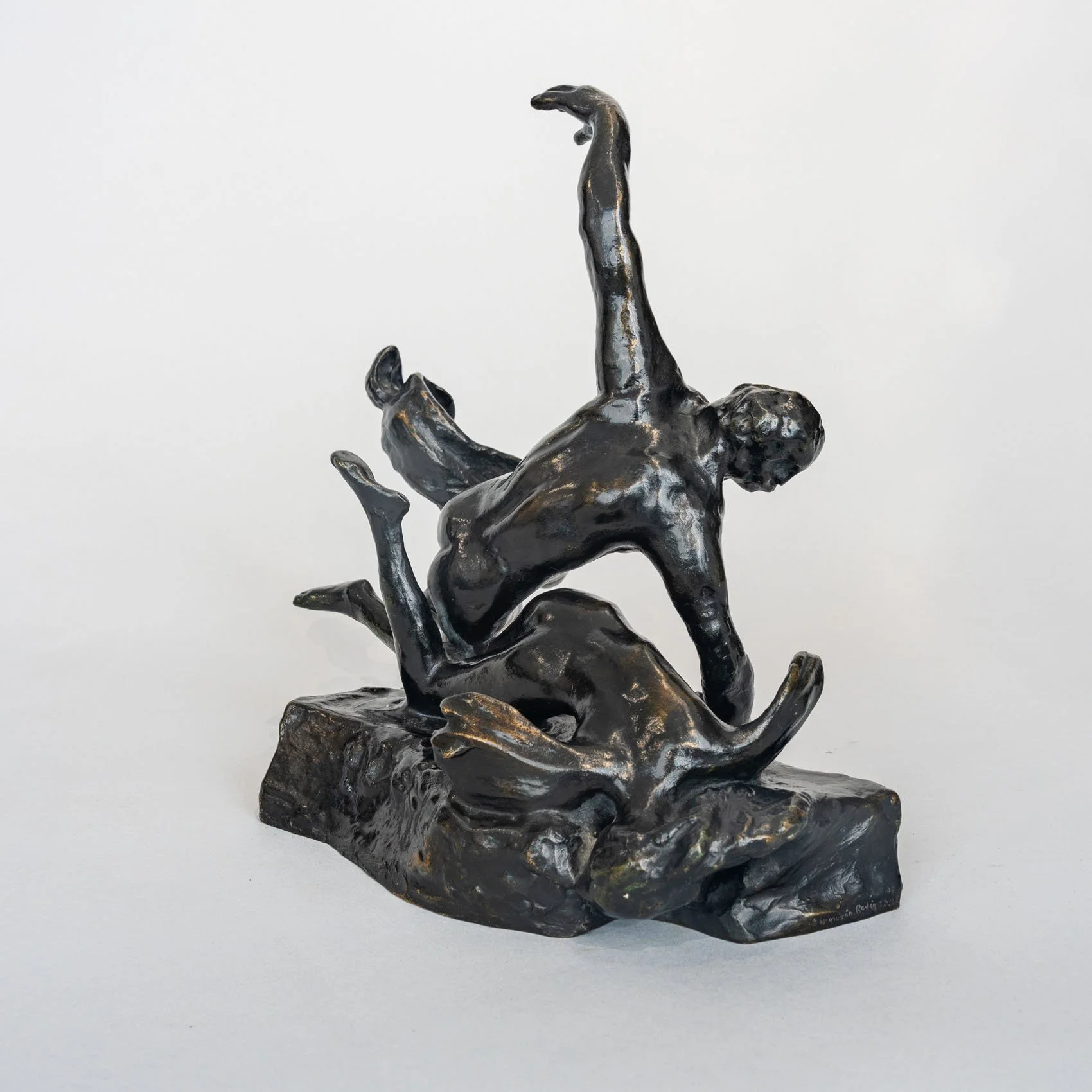 Image 5 of 5