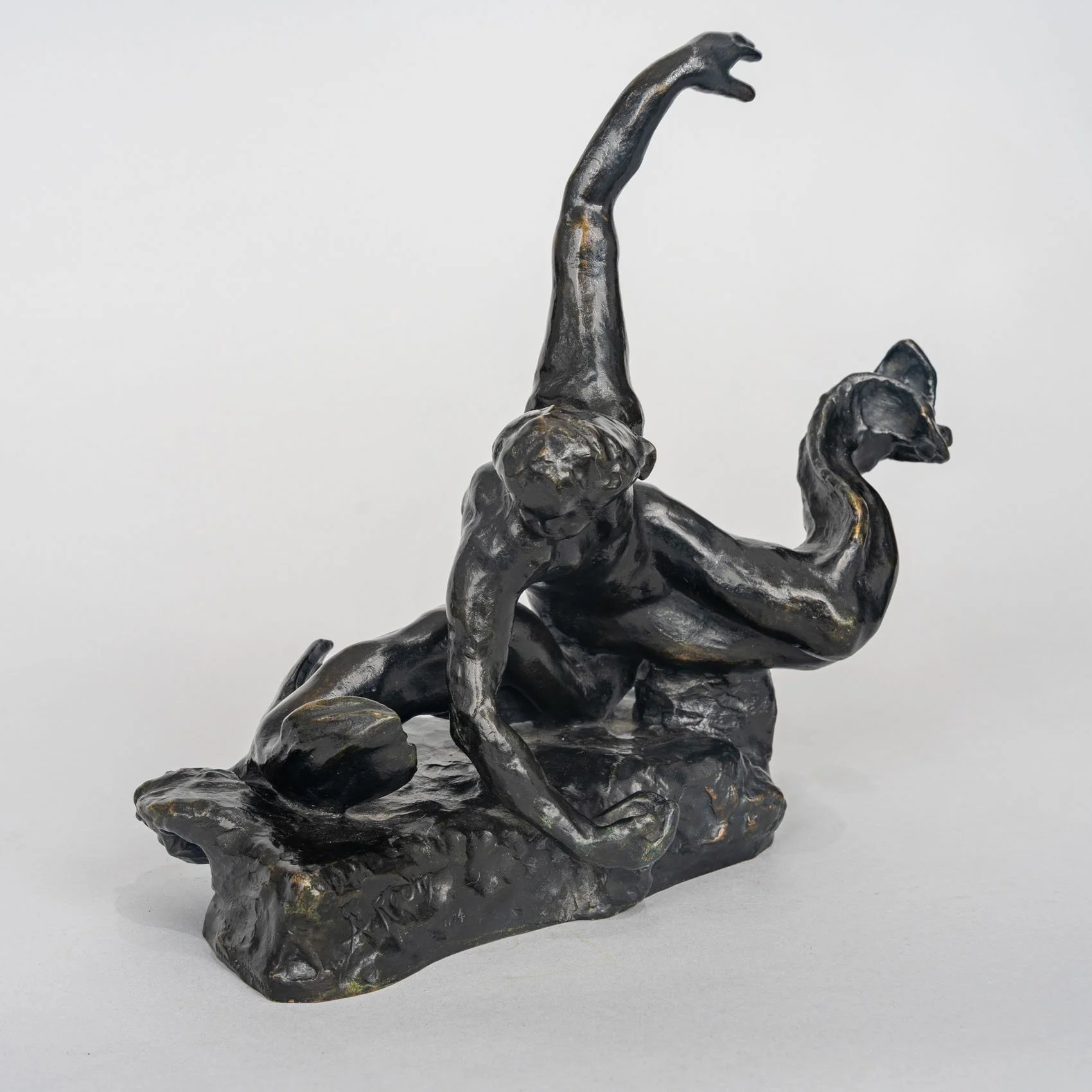
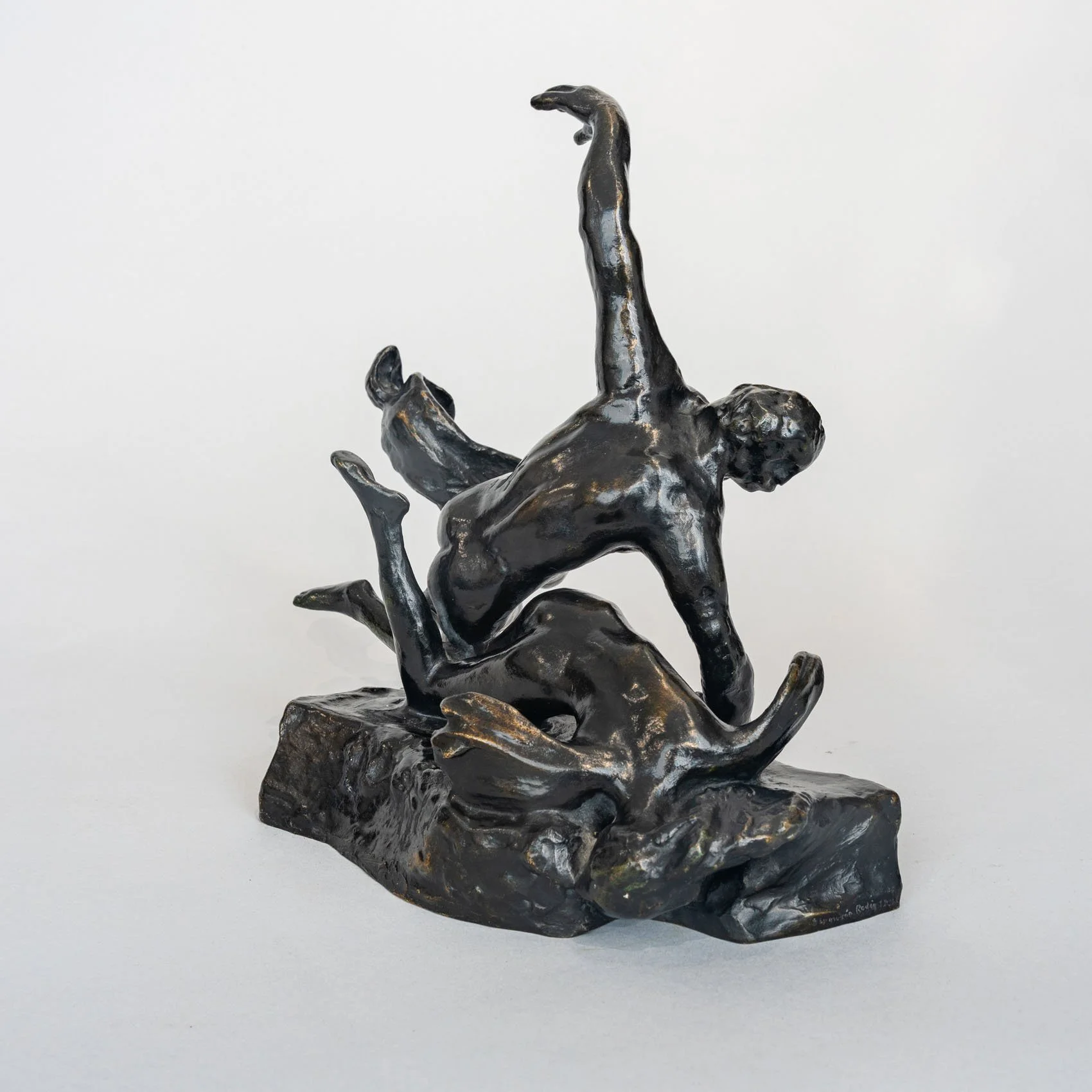
Alexander Phimister Proctor (1860-1950), Stalking Panther (The Roosevelt Panther), bronze with dark brown patina, cast by the lost-wax method by Roman Bronze Works, New York, circa 1902. Inscribed A PHIMISTER PROCTOR 1891·1902 and COPYRIGHT, stamped CIRE PERDUE CAST. ROMAN BRONZE WORKS N3. Height 9 1/2 inches, length 38 1/4 inches, depth 6 inches.
Proctor conceived the subject after an 1887 hunting expedition in the Flat Tops of the Colorado Rockies, where he shot an adult mountain lion and spent several days sketching it in camp. He modeled the panther in New York in 1891 and 1892, working from studies at the Central Park menagerie and from dissection, and refined the composition in Paris in the mid-1890s. The present form, with the tail lowered and more curved, the body closer to the ground and the jaw brought forward in line with the nose, is the third and best-known version of the model, a study of predatory motion toward unseen prey.
Roman Bronze Works, the first American foundry to specialize in lost wax casting, produced twenty-two known casts of the model between 1900 and 1915. The present bronze carries cast number 3. The example in the Metropolitan Museum of Art, cast number 4 of circa 1902, is published in the Proctor literature as the earliest known cast of that production, and the foundry ledgers at the Amon Carter Museum record the model from cast number 8, in 1904. The drilled and incised eyes of the present cast, with the iris and pupil defined, are characteristic of early lost-wax casts and distinguish them from the blank eyes of later production.
The model is known in the literature as the Roosevelt Panther. On February 26, 1909, members of President Theodore Roosevelt’s Tennis Cabinet, acting through Henry L. Stimson, presented a cast of the Panther to the President as their farewell gift at the close of his administration, and the group was photographed with the bronze at the President’s feet on the White House lawn on March 1, 1909. That cast, a Jno. Williams sand cast of a slightly later variant of the model, remains at Sagamore Hill, Roosevelt’s home at Oyster Bay.

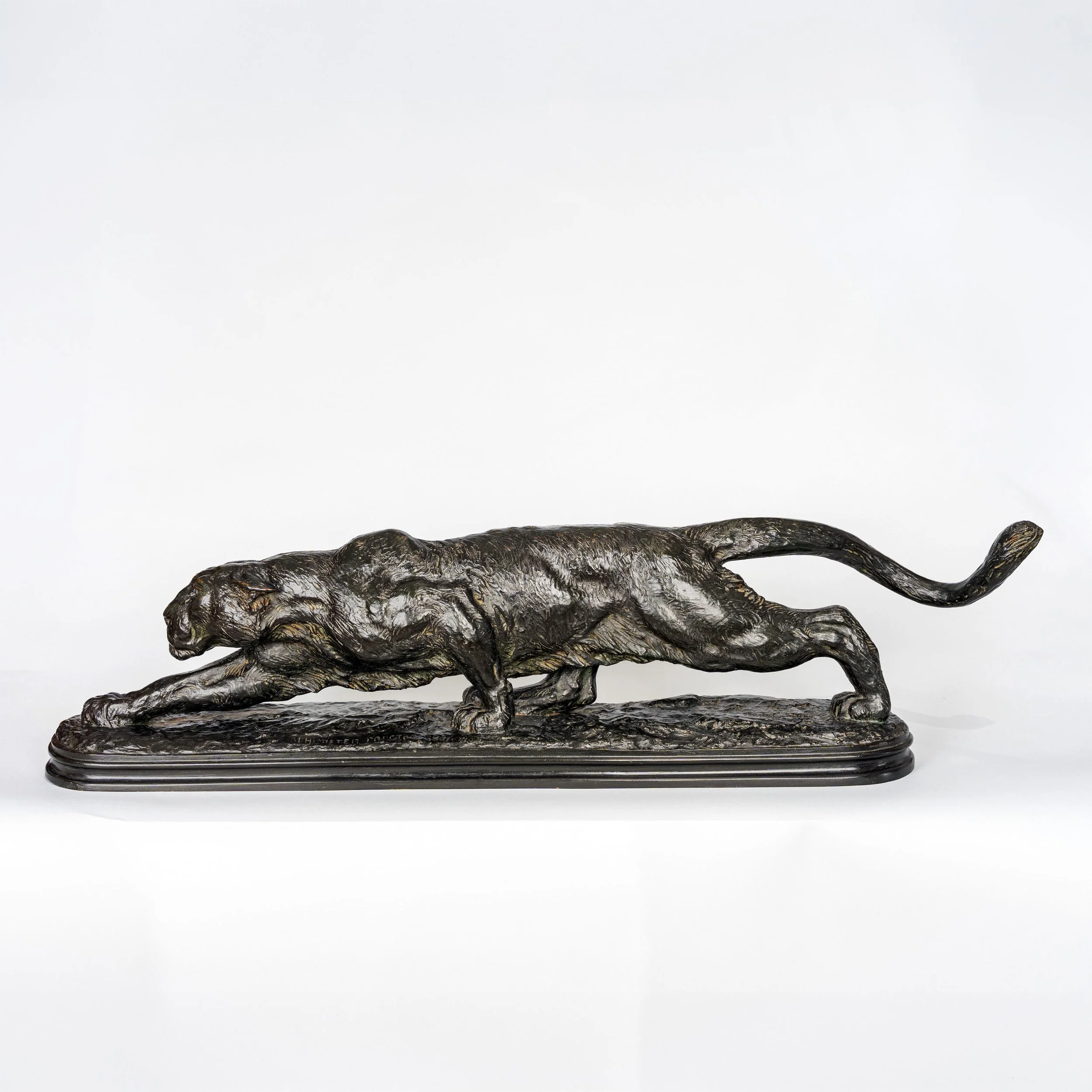 Image 1 of 6
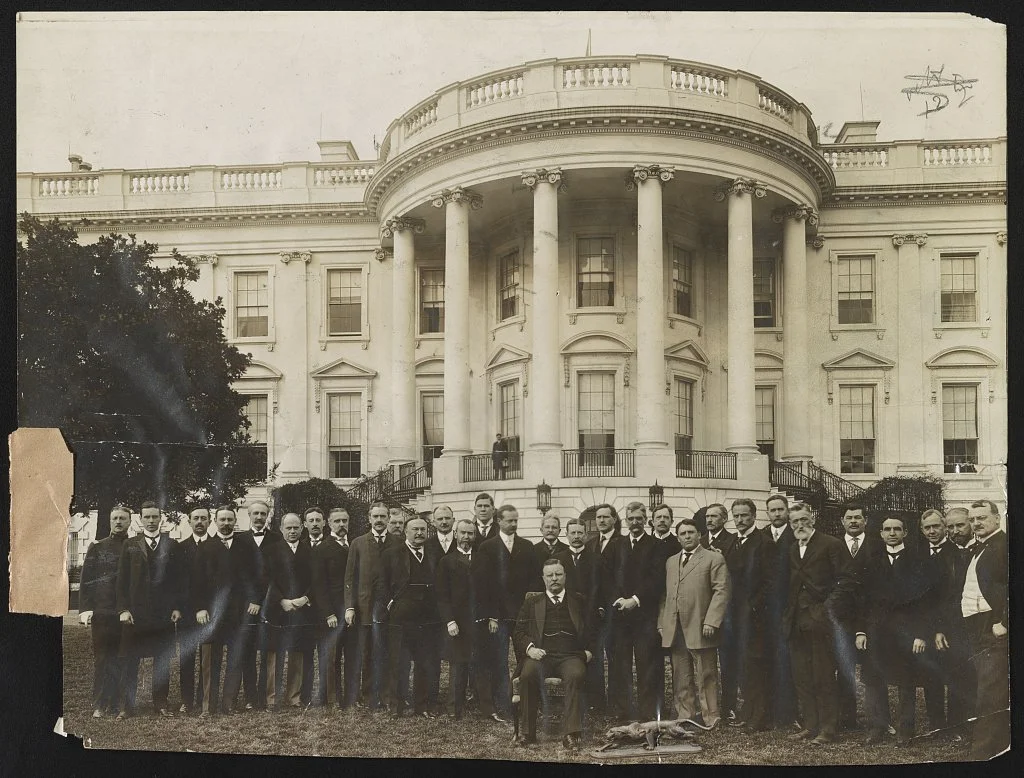 Image 2 of 6
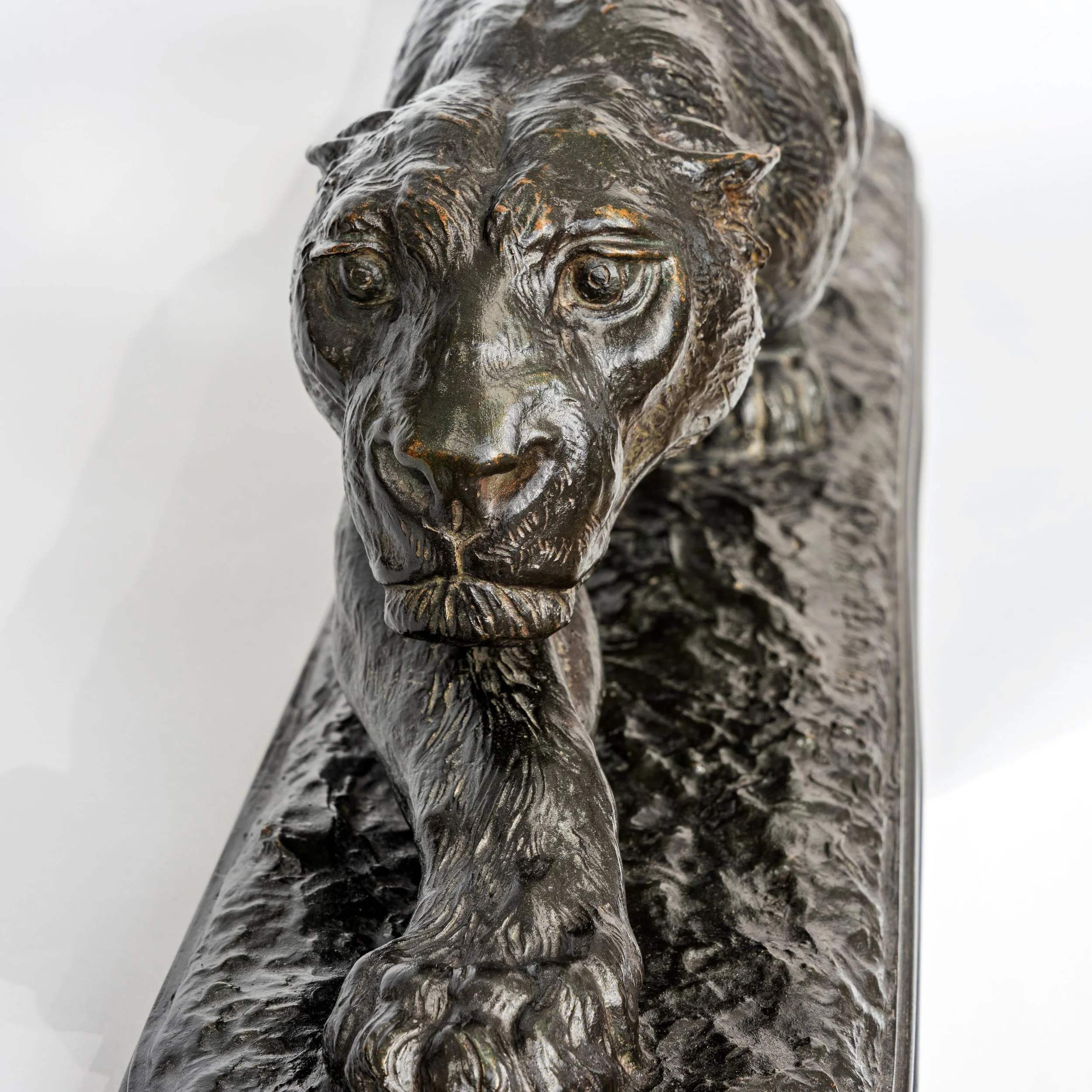 Image 3 of 6
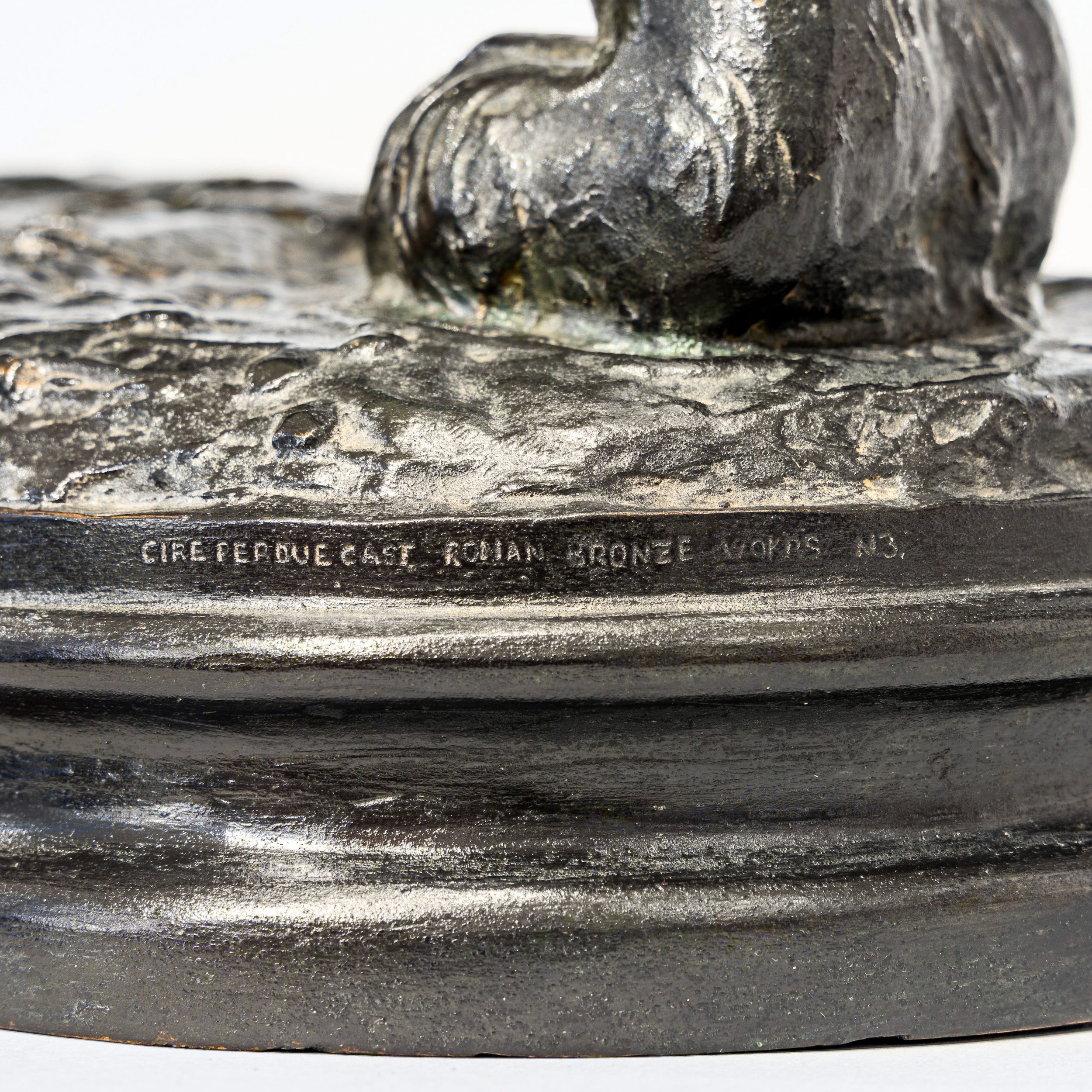 Image 4 of 6
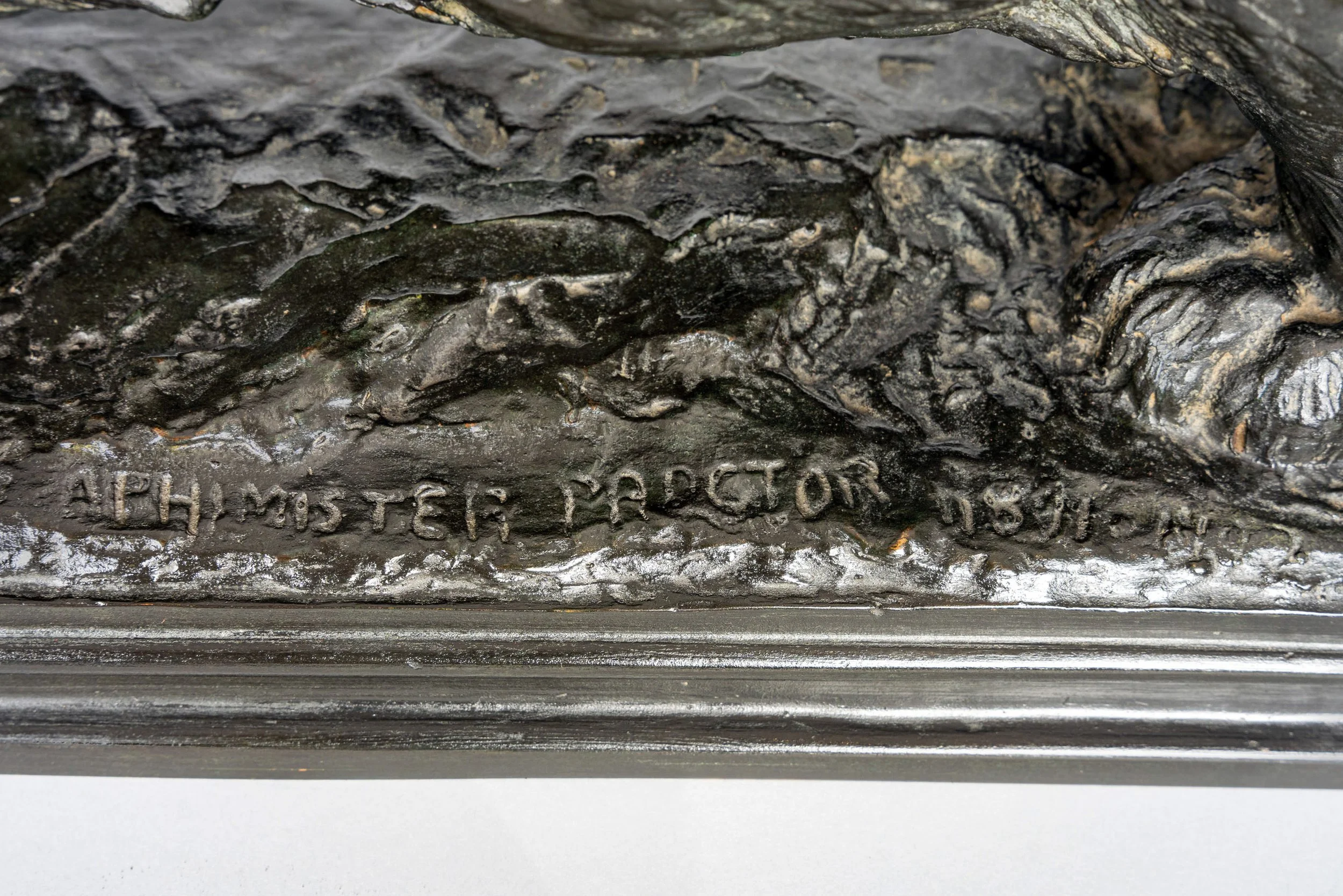 Image 5 of 6
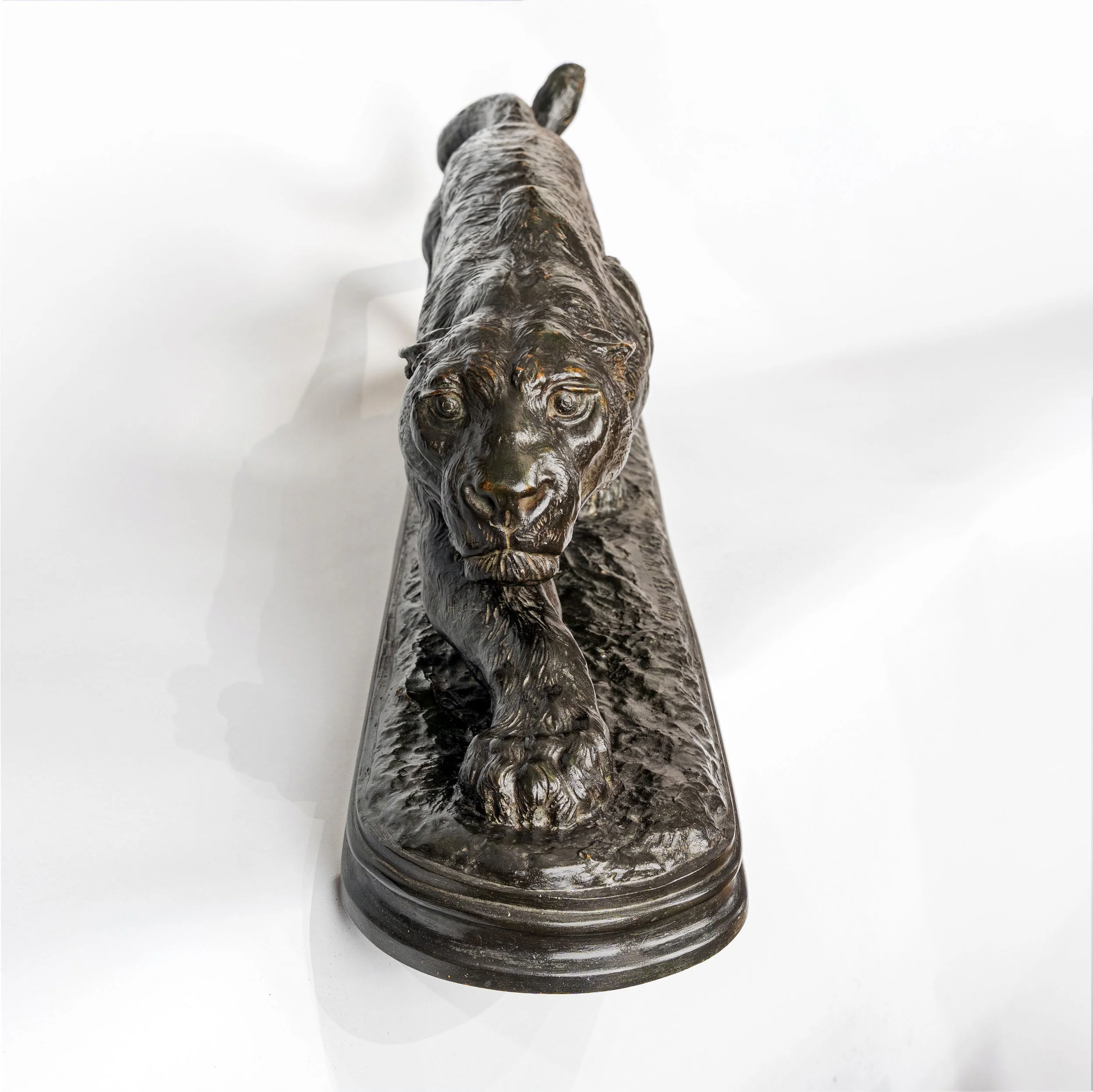 Image 6 of 6